Elevate Your Living Space: Inspiring Concepts for Beautiful Home Additions
Renovating a home through strategic additions can meaningfully elevate both its practical value and visual charm. From sun-drenched sunrooms that maximize daylight to large decks designed for hosting guests, the options are plentiful. Expanding key areas, like kitchens, fosters connection, while a garage addition can address storage challenges. Appreciating core design factors and careful planning is click here crucial. Yet, what genuinely motivates homeowners to pursue these improvements? The answer is found in the extraordinary influence of thoughtfully designed home additions.
Uncover Leading Home Addition Ideas to Upgrade Your Space
Homeowners often seek innovative ways to enhance their living environments, and exploring popular home addition ideas can offer transformative solutions. One highly popular choice is incorporating a sunroom, which introduces abundant natural light while establishing a peaceful retreat for unwinding. An equally attractive option is a deck or patio, stretching the home's footprint outside and well-suited for social occasions.
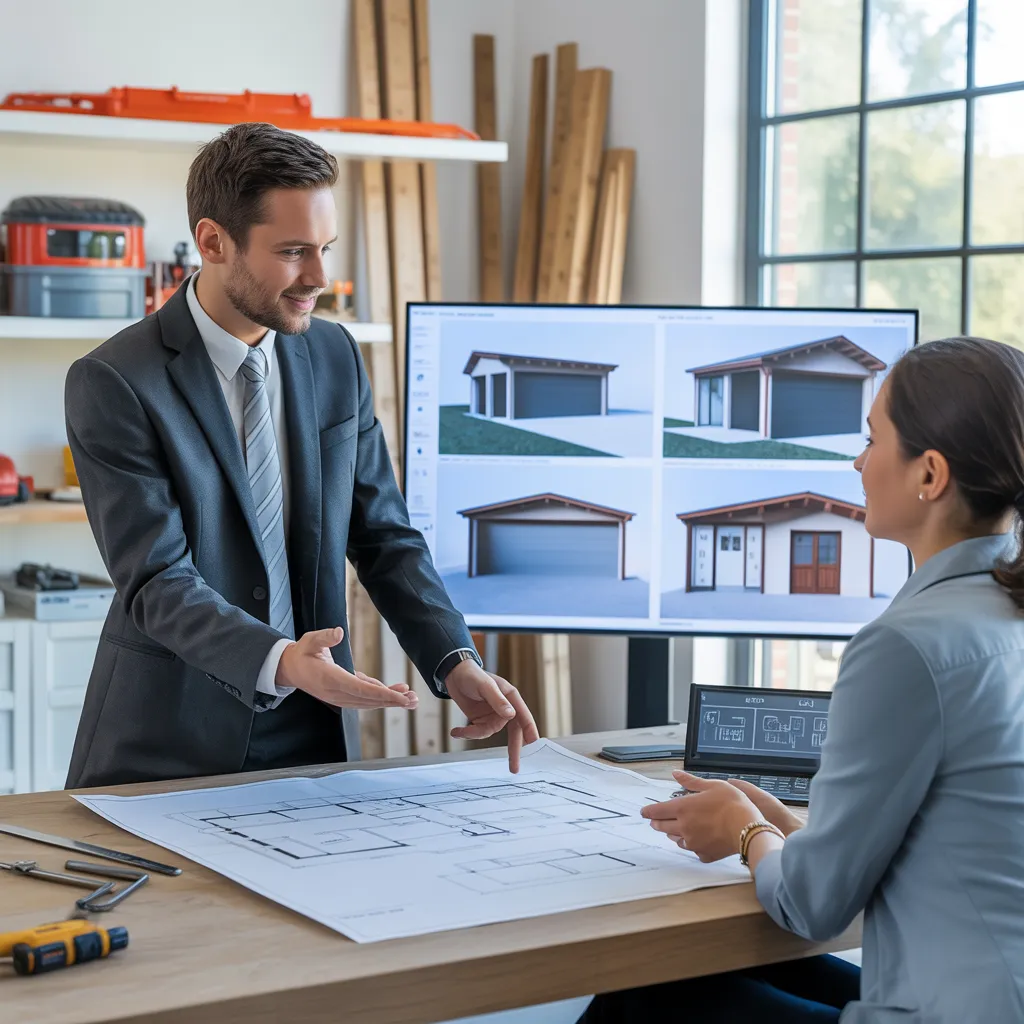
Homeowners might also think about enlarging their kitchen spaces, creating a more useful and appealing environment. A garage extension not only provides additional storage space but may also be used as a dedicated workspace or hobby area.
For homeowners requiring extra sleeping spaces, a bedroom addition can offer essential privacy and comfort. Additionally, repurposing attics or basements into usable spaces creates an opportunity for imaginative design while optimizing the available square footage. Each of these ideas has the potential to enhance both functionality and aesthetic appeal, ultimately transforming a home into a more enjoyable environment.
How Home Additions Can Enhance Your Lifestyle?
Home additions can considerably expand living space, offering families the opportunity to grow and adapt. Furthermore, enlarging a home can contribute to higher property value, making it a worthwhile investment. Finally, these additions often foster deeper family connections by creating shared areas for activities and gatherings.
Elevate Living Space
Expanding a home through home additions can considerably enhance one's lifestyle by delivering greater convenience and ease. For households, extra rooms can support growing needs, such as a dedicated play area for kids or a dedicated home office. A well-designed addition can create a seamless flow between indoor and outdoor spaces, fostering leisure and connection. Moreover, integrating elements like large windows or open floor plans fosters a feeling of openness and harmony with nature. Enhanced living spaces also enable personalized design choices, expressing individual tastes and preferences. Overall, home additions not only optimize existing areas but also create environments that promote well-being and improve daily living experiences.
Improve Property Value
Putting money into home additions can significantly increase a property's market value, making it a smart investment choice. By expanding square footage or incorporating practical areas, homeowners can attract potential buyers and raise property values. Additions like additional bedrooms, updated kitchens, or flexible living spaces often yield significant returns on investment. Moreover, enhancements like sunrooms or decks not only elevate the home's appearance but also satisfy contemporary living aspirations, further boosting desirability. A well-planned addition can transform a home into a more valuable asset, aligning with present market demands and purchaser expectations. Ultimately, purposeful residential additions serve as a smart approach to maximizing property value while improving the day-to-day lifestyle of existing residents.
Build Family Relationships
A thoughtfully crafted addition can significantly strengthen family connections by establishing spaces that foster interaction and closeness. Expansive designs, such as family rooms or large kitchens, function as hubs for shared activities, nurturing communication and connection. Dedicated areas for hobbies or playrooms give children a place to engage, while adults can appreciate nearby social spaces. Furthermore, integrating outdoor living spaces, like patios or decks, enables families to gather in a comfortable environment. These additions not only promote everyday connections but also establish a backdrop for memorable gatherings and celebrations. At their core, well-planned home additions convert living environments into nurturing spaces that reinforce family ties, improving overall quality of life.
Key Design Elements to Improve Your Home Addition
When property owners think about a home addition, including fundamental design features can greatly improve both visual appeal and practicality. Key elements include natural light, which can be accomplished using large windows or skylights, producing a warm and welcoming environment. Moreover, an open floor plan fosters effortless movement between current and added spaces, establishing an atmosphere of harmony.
Using harmonious materials and color schemes assures the new addition blends seamlessly with the existing structure, maintaining structural cohesion. Deliberate positioning of furniture and installations elevates practicality, creating a space suited for daily living. Connections to outdoor spaces, such as a patio or deck, may expand living spaces and promote outdoor activities. Finally, energy-efficient designs, utilizing effective insulation and responsible materials, provide lasting financial benefits and environmental accountability. By prioritizing these key design components, homeowners are able to develop a unified and attractive extension that elevates their lifestyle.
Effectively Plan Your Home Addition Project
Careful planning is critical for a productive home addition project. Homeowners should begin by establishing their objectives, whether it's generating additional living space, boosting practical use, or raising the home's value. Creating a solid vision serves to navigate the planning and building process. Next, investigating local building codes and zoning regulations is critical to secure conformity and sidestep potential obstacles.
Building a roadmap that defines each step of the process aids in maintaining focus and accountability. Homeowners are also encouraged to consider engaging professionals, for copyrightple architects or construction professionals, for expert advice and to streamline the project.
Additionally, emphasizing team member communication promotes cooperation and tackles problems as they emerge. Finally, anticipating future requirements can assist in crafting an addition that maintains its value and functionality. By adhering to these guidelines, homeowners can navigate their home addition projects with greater confidence and clarity.
Home Addition Budgeting: Important Tips to Know
Creating a budget for a home addition demands thorough planning and careful thought to avoid unexpected expenses. Homeowners should begin by determining a practical budget that encompasses every element of the project, such as permits, building materials, labor costs, and contingency expenses. It is recommended to set aside an extra 10-20% of the overall budget for unexpected circumstances.
Gathering and evaluating quotes from multiple contractors can provide valuable insights and help in making informed decisions. Moreover, property owners should weigh their necessities against their preferences, ensuring that essential features are included while remaining within budget.
Creating a detailed timeline can help with aligning costs with project phases, minimizing economic stress. Additionally, working with a financial expert or a building expert can offer greater insight into likely costs and payment alternatives, ensuring that the budget remains manageable throughout the residential addition endeavor. This calculated method helps in achieving a successful and financially sound residential expansion.
Real-Life Home Addition Transformations to Inspire You
Remarkable property addition renovations demonstrate the remarkable capacity of residential spaces. A perfect illustration is a humble cottage-style residence that was subject to a significant renovation with a sleek, modern extension. By introducing a expansive kitchen and entertaining area, the homeowners elevated their culinary experience while establishing a welcoming meeting place for family and friends.
Another transformation features a small residence that expanded vertically with a appealing loft, optimizing the area while adding a snug reading area. This clever design not only added functionality but also infused character into the home.
Finally, a ranch-style suburban residence adopted a current design with a glass-enclosed sunroom, bathing the interior in warm natural light and revealing spectacular sights of the rear garden.
These actual transformations demonstrate the wide range of possibilities for home improvements, motivating homeowners to consider their own personalized improvements and reimagine their home surroundings.
Questions We Often Receive
What Permits Do I Need for a Home Addition Project?
When undertaking a home addition project, homeowners generally require a building permit, approval from the zoning board, and possibly electrical or plumbing permits. Local regulations vary, so speaking with local authorities is essential to ensure all requirements are met.
What Is the Typical Timeline for Completing a Home Addition?
A standard home addition usually takes between two to six months to finish, based on factors including complexity, size, weather conditions, and permits. Proper planning and contractor efficiency can influence the timeline considerably.
Am I Able to Remain in My Home During the Addition Process?
Yes, homeowners can often stay in their homes during the addition process. However, aspects like the project's scale, work area, and noise disruptions may disrupt daily comfort and access, necessitating short-term adjustments or temporary accommodations during the construction phase.
What Common Mistakes Should You Avoid When Planning an Addition
Frequent errors to watch out for during addition planning consist of failing to accurately estimate expenses, overlooking required permits, failing to address structural concerns, neglecting to evaluate future demands, and not consulting professionals. Thorough planning ensures a more seamless process and superior outcomes.
How Can I Select the Best Contractor for My Project?
To select the best contractor, one should investigate experience, check references, and guarantee effective communication. Reviewing various quotes and evaluating prior experience can help determine reliability and compatibility for the individual home improvement project.